
Last updated September 21, 2026
Full 25-point door and opener safety check with every visit - springs, cables, rollers, tracks, and your LiftMaster or Chamberlain opener included
You get a price before we start. It does not change when the truck arrives.
Garage Door Permits, Codes & Inspections in CA: What You Need to Know
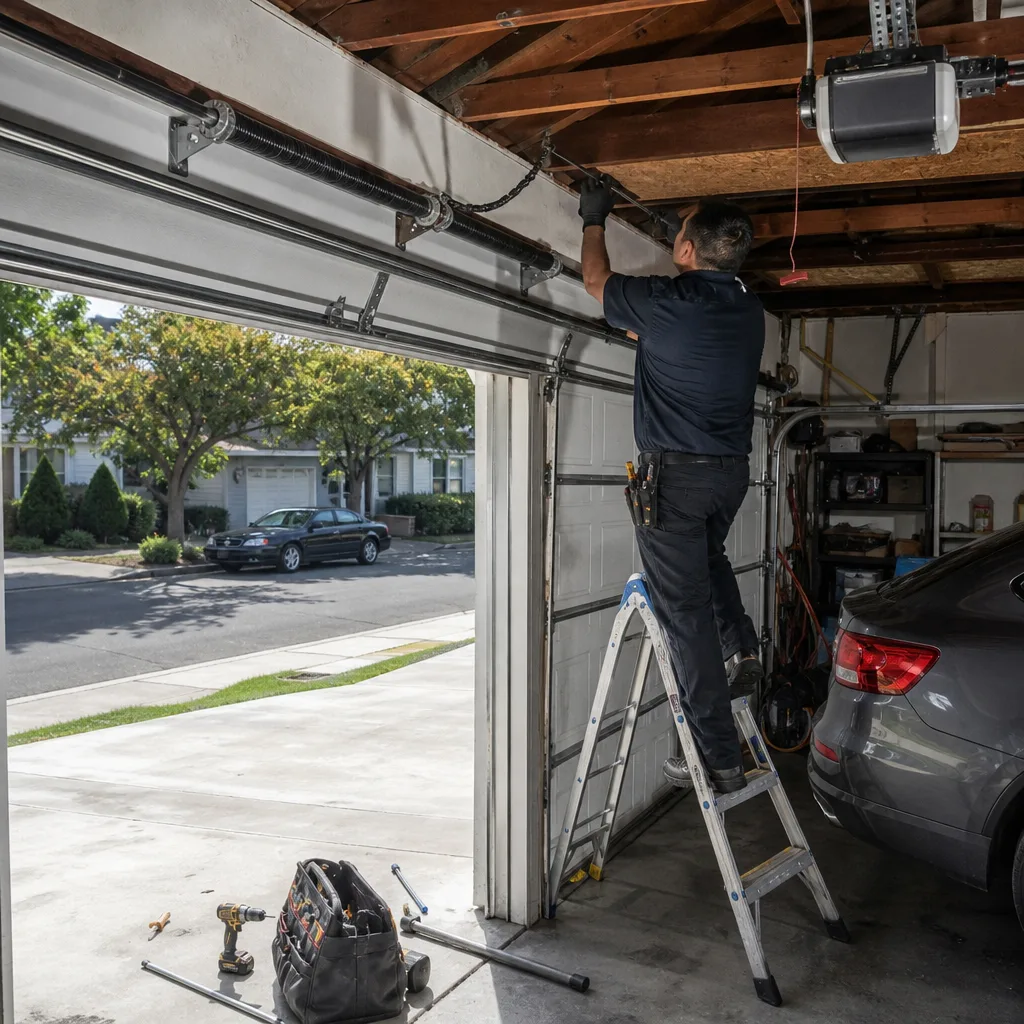
California Building Code Section 406 and Fremont’s local amendments require a permit for garage door replacements that involve structural header changes - work that happens in roughly 30% of door replacement jobs, most of which get done without one. That unpermitted work doesn’t disappear. It surfaces in escrow, often as a material defect that costs sellers $2,000-$5,000 in rush corrections or price reductions. In this guide, we’ll show you exactly when Fremont requires a permit for garage door work, what triggers an inspection, how California’s entrapment protection rules exceed federal standards, and how to protect your home’s resale value with the right paperwork. For garage door warning signs every Fremont homeowner should watch for, see our companion reference.
Quick Answer
Most garage door repairs in Fremont don’t need a permit, but replacements involving structural changes, new electrical wiring for openers, or alterations to the header or framing do. California requires UL 325-compliant openers with entrapment protection that exceeds federal minimums, and Fremont’s building inspector will verify this on permitted jobs. Unpermitted work discovered during a home sale typically costs 3-5 times more to correct than pulling the permit upfront.
Table of Contents
- When Is a Garage Door Permit Required in Fremont?
- Like-for-Like Replacements: What’s Exempt
- UL 325 and California’s Entrapment Protection Standards
- What Happens at a Fremont Building Inspection
- How Unpermitted Work Surfaces During Escrow
- Pulling Your Own Permit vs. Having Your Contractor Do It
- Permit Costs and Inspection Timelines in Fremont
- Common Mistakes to Avoid
- When to Call a Professional
- Frequently Asked Questions
When Is a Garage Door Permit Required in Fremont?
Fremont follows the California Building Code (CBC) with local amendments adopted through Alameda County’s building department. The permit trigger isn’t the door itself - it’s the scope of work attached to it.
A permit is required when any of these conditions apply:
- The replacement involves modifying or replacing the structural header above the door opening
- New electrical wiring is run for a garage door opener, including dedicated circuits or outlet relocation
- The door width or height changes from the original rough opening dimensions
- The work includes structural framing changes, such as converting a single door to a double or vice versa
- The installation is part of a larger accessory dwelling unit (ADU) or garage conversion project
- Wind load or seismic bracing requirements change due to door size or weight modifications
Here’s where Fremont’s market gets specific. In the Mission San Jose hills and the older stock in Centerville, we regularly see 16-foot openings with undersized headers - 4x8s or 4x10s carrying a double-wide door on a 24-foot span. When a homeowner upgrades from a 150-pound uninsulated steel door to a 400-pound insulated Clopay or Amarr model, that header often needs sistering or replacement. That’s structural work. That’s a permit.
The 30% figure comes from our field experience across Fremont’s housing stock. Homes built between 1960 and 1990 - which covers much of the city’s inventory - frequently have headers that were adequate for the original lightweight door but fail to meet current span tables when a heavier modern door is installed. We photograph the existing header during our free measure and include it in the documented photo record, so the homeowner sees the condition before any permit discussion begins.
What doesn’t require a permit: standard spring replacement, roller or hinge replacement, cable repair, opener repair that uses existing wiring, and panel replacement that doesn’t alter the door dimensions or weight beyond the original specification. These are maintenance items, not construction.
Like-for-Like Replacements: What’s Exempt
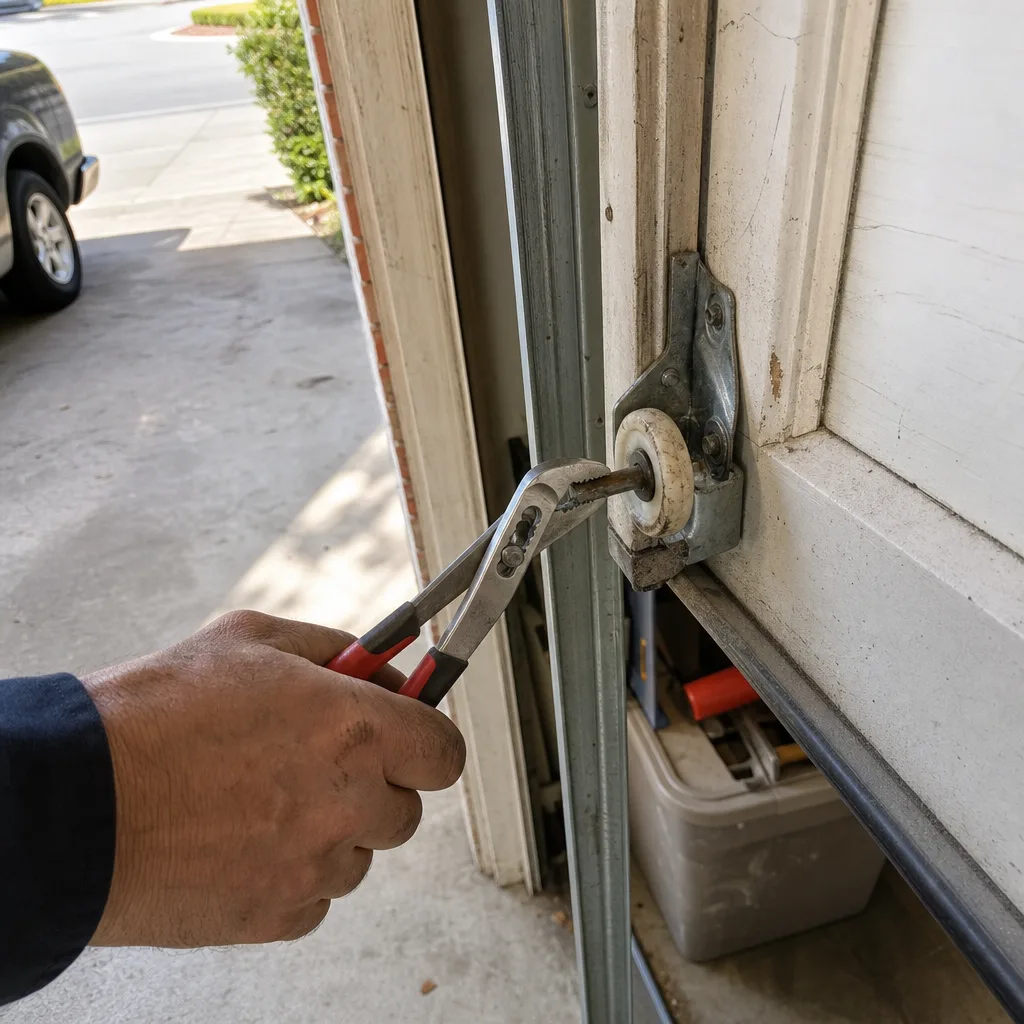
California’s “like-for-like” exemption allows homeowners to replace a garage door without a permit when the new door matches the old one in dimensions, weight, and attachment method. The intent is to let straightforward swaps proceed without bureaucratic delay. The problem is that “like-for-like” is narrower than most homeowners assume.
To qualify as exempt, all of these must be true:
- The door width and height remain identical to the original rough opening - no cutting back or expanding the frame
- The door weight does not exceed the original specification by more than 10%
- No structural header modification is required
- The opener replacement, if any, uses the existing electrical outlet and mounting bracket without new wiring
- The track system attaches to the same points and uses the same jamb brackets
In practice, this exemption covers maybe 40% of the replacement jobs we see in Fremont. The rest trip one or more triggers. A homeowner in Ardenwood swapping a 1980s thin steel door for a modern insulated model with polyurethane foam and a steel backer? The weight jumps 80-120 pounds. That’s not like-for-like. A homeowner in Warm Springs replacing a failed opener with a new LiftMaster or Chamberlain unit that requires a dedicated 20-amp circuit because the old outlet was tapped from a shared garage lighting circuit? New wiring means a permit.
The exemption also doesn’t protect you from resale disclosure requirements. California Civil Code Section 1102 requires sellers to disclose material alterations to the property, including work done without permits. A like-for-like replacement is still an alteration. The exemption means you didn’t need the permit at the time of work - it doesn’t mean the work becomes invisible.
We’ve had customers in the Niles district bring us inspection reports from buyers who flagged garage door replacements done five years prior. The work was competent. The door was safe. But the permit history showed a gap, and the buyer’s lender required an as-built inspection. The cost to open walls, verify header adequacy, and close permits retroactively ran $1,800 on a job that would have needed a $300 permit originally.
UL 325 and California’s Entrapment Protection Standards
Every garage door opener sold in the United States must comply with UL 325, the Underwriters Laboratories standard for door, drapery, gate, louver, and window operators. California doesn’t stop there. The CBC incorporates additional entrapment protection requirements that exceed the federal baseline, and Fremont enforces these at inspection.
Here’s what UL 325 covers at the federal level:
- Primary entrapment protection: photo-eye sensors that reverse the door when the beam is broken
- Secondary entrapment protection: a contact-sensitive edge on the door bottom that reverses on resistance
- Force limitation: the door must reverse within 2 seconds of contact with a test block
- Control station requirements: wall buttons must be mounted 5 feet above the floor, out of reach of small children
California’s additional requirements include:
- Photo-eye sensors must be installed no higher than 6 inches above the floor - lower than the federal 6-inch maximum, and inspectors in Alameda County typically enforce 4-5 inches in practice
- All new installations must include battery backup capability for the opener, effective statewide since 2019 (Senate Bill 969)
- Garage door openers must be listed for use with the specific door model installed - a Craftsman or Raynor opener paired with a door weight outside its listed range fails inspection
- Hardwired smoke detection is required in attached garages when new electrical work triggers permit scope
The battery backup requirement catches homeowners off guard. We see it constantly in Fremont’s newer construction, particularly in the Pacific Commons and Irvington areas. A homeowner buys a budget opener online, installs it or has a handyman install it, and the unit lacks battery backup. The door works fine. The installation looks clean. But the inspector fails it, and the homeowner must replace the opener or add an aftermarket battery kit that costs more than buying the right unit initially.
At Servo Garage Doors Fremont, we specify openers that carry both UL 325 listing and California battery backup compliance. We photograph the UL label and the battery backup verification during installation, and that image goes into the customer’s documented photo record. If an inspector questions it, the customer has timestamped evidence without calling us back.
One more Fremont-specific note: the city’s inspectors check photo-eye alignment more carefully than some neighboring jurisdictions. A sensor mounted at 7 inches, or one knocked askew by a bicycle handlebar, is a common failure. We mark the correct height on the wall with a permanent reference line during installation, so the homeowner can verify alignment without a level.
What Happens at a Fremont Building Inspection
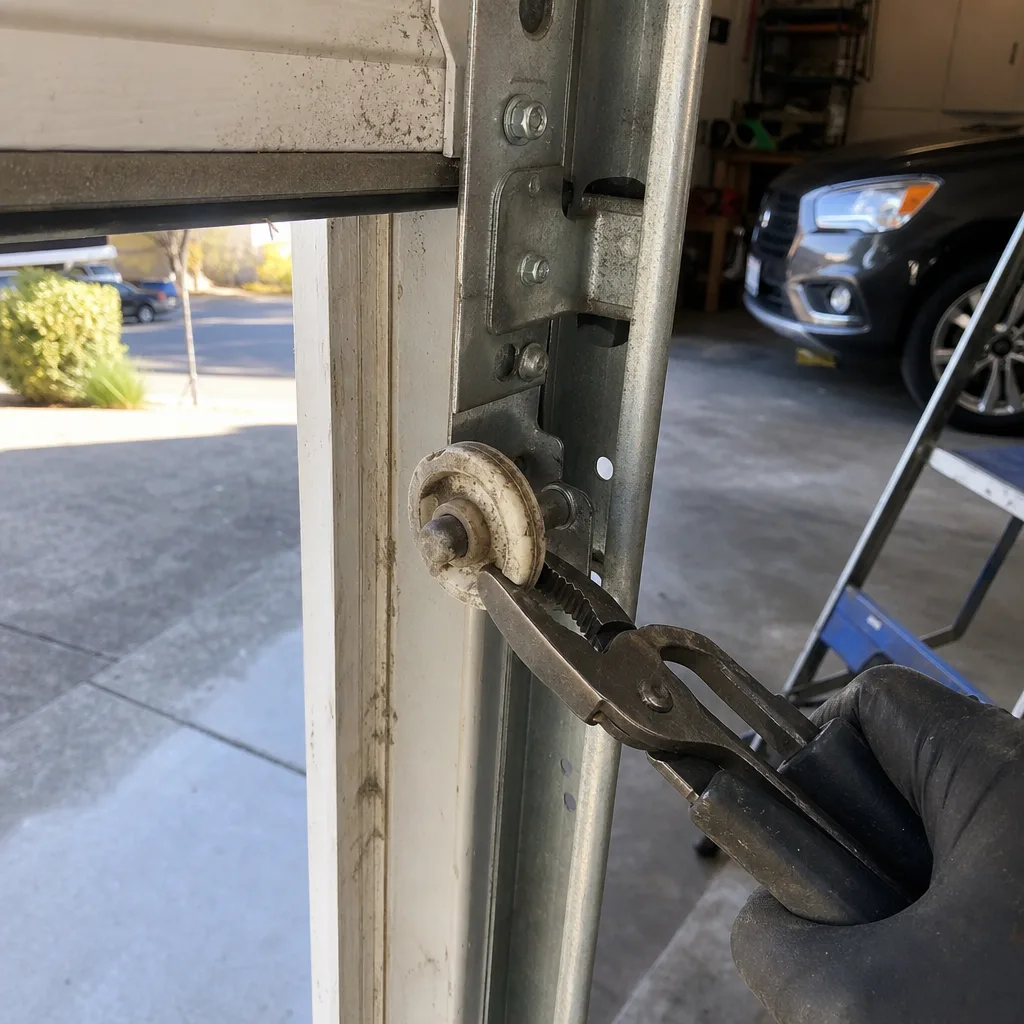
Fremont contracts building inspection services through Alameda County’s SafeBuild program, though the inspectors are assigned to Fremont’s specific geographic zone and familiar with local conditions. For garage door work, there are typically two inspection types: rough inspection (if structural or electrical work is involved) and final inspection.
When a rough inspection is required:
- Structural header modifications: the inspector verifies the new header size against span tables in the CBC, checks bearing length on each jamb, and confirms fasteners and hangers
- New electrical circuits: the inspector examines wire gauge, conduit type, GFCI protection, and panel labeling before drywall or insulation covers the work
Final inspection covers:
- Door operation: smooth travel through full cycle, no binding in the tracks, proper spring tension for the door weight
- Opener compliance: UL 325 label visible, battery backup functional, photo-eyes at correct height and aligned, wall button at 5 feet
- Entrapment protection testing: the inspector places a 2×4 flat on the floor and verifies the door reverses on contact within 2 seconds
- Structural verification: if a rough wasn’t required, the inspector may ask about header adequacy; we provide our pre-installation photo and any engineering documentation
- Smoke detector: in attached garages with permitted electrical work, the detector is tested
The inspection itself takes 15-30 minutes for a straightforward final, 45-60 minutes if structural work is involved. Fremont’s inspection schedule runs roughly 3-5 business days out for routine requests, though same-week slots sometimes open. We schedule inspections for our customers when we’ve pulled the permit, and we meet the inspector on-site with our documentation.
What fails most often in Fremont:
- Photo-eye height: mounted too high, typically by installers unfamiliar with California’s stricter interpretation
- Missing battery backup: non-compliant openers, usually internet purchases or out-of-state inventory
- Insufficient header bearing: the header sits on the jamb but lacks the minimum 1.5 inches of bearing required by the CBC
- GFCI omission: new outlets or circuits in the garage without ground-fault protection
- Door-to-opener mismatch: the opener’s listed capacity doesn’t cover the actual door weight
When Servo pulls a permit for a job, we build inspection compliance into the installation. We don’t return for re-inspections because we don’t fail. That’s not bravado - it’s documentation. Clause 4 of The Haven Standard requires photographing the failed component before quoting a replacement, and we extend that discipline to every phase: the existing header before modification, the new header with a tape measure in frame, the photo-eye height marked on the wall, the UL label on the opener. The inspector sees what we saw. The customer sees what the inspector saw. No gaps.
How Unpermitted Work Surfaces During Escrow
This is the section most garage door companies won’t write, because it requires acknowledging that much of their own work was probably done without permits. We’re going to write it anyway, because our customers in Fremont are researching this exact scenario at 11 PM after their buyer’s agent flagged something.
Unpermitted garage door work surfaces in escrow through four main channels:
- Permit history search: Title companies and buyer’s agents routinely pull building permit histories through Alameda County’s online portal. A door replacement in 2019 with no corresponding permit raises a flag, especially if the visual condition suggests recent work.
- Home inspection findings: A competent home inspector notes the door model year, opener features, and installation quality. A 2023-model LiftMaster on a 1987 home with no permits on file triggers a recommendation for permit verification.
- Appraisal requirements: FHA and VA appraisers specifically check for permit compliance on structural and electrical work. A garage door replacement with header modification, unpermitted, can become a loan condition that stalls closing.
- Seller disclosure review: California’s Transfer Disclosure Statement asks about room additions, structural modifications, and work done without permits. A seller who checks “no” and is contradicted by visible evidence faces potential fraud liability.
The cost differential is stark. In Fremont’s current market, correcting unpermitted work before listing runs $800-$2,500 depending on scope: pulling a retroactive permit, opening walls for inspector access, making any required corrections, and closing the permit. The same work discovered during escrow, with a 21-day close of escrow timeline, typically costs $3,000-$7,500. Rush permit fees, expedited inspection scheduling, weekend or evening work, and the leverage a buyer has to demand credits rather than waiting for proper correction - all of it inflates the price.
We’ve worked with homeowners in the Glenmoor and Central districts who faced this exact situation. One customer in Mission Hills had replaced her door in 2021 through a handyman service, no permit, and the buyer’s inspector flagged the header as potentially undersized. She had two weeks to close. We opened the drywall, sistered the header with an LVL per the inspector’s structural note, passed re-inspection, and closed the permit. The bill was $4,200. The original permit would have cost $340.
The documentation we provide - the written price before work, the photo record after - also protects future sellers. When a Servo-installed door goes to market, the customer has a paper trail: permit number, inspection sign-off, installation date, component specifications. The buyer’s agent sees competence. The transaction moves forward.
Pulling Your Own Permit vs. Having Your Contractor Do It
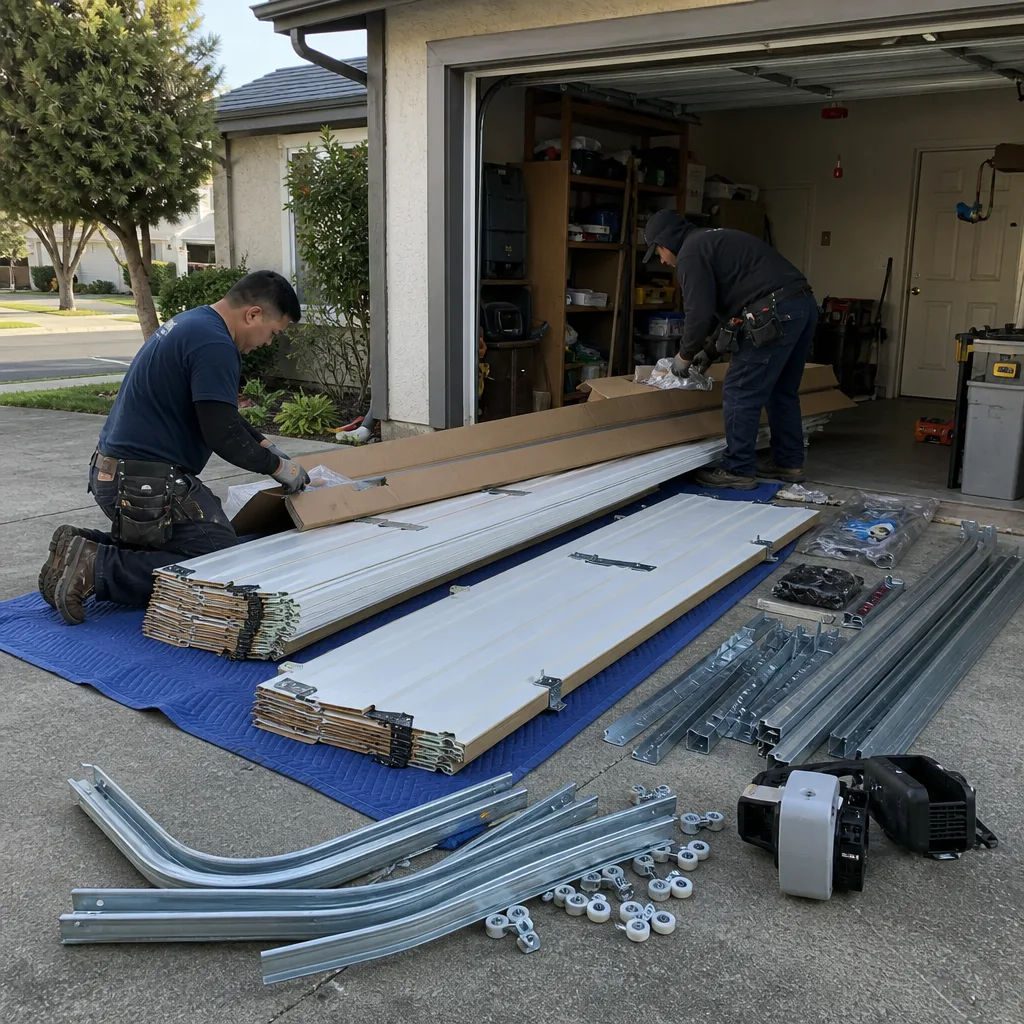
California allows homeowners to pull their own permits for work on their primary residence, with the limitation that they must occupy the home and cannot sell it within one year of completing owner-builder work. For garage door projects, this creates a decision point that depends on scope, competence, and risk tolerance.
Homeowner-pull permits make sense when:
- The work is purely structural with no electrical component - a header replacement, for example, where the homeowner is personally competent to verify the specification
- The homeowner has time to schedule inspections, meet inspectors, and manage any corrections
- The project is simple enough that no contractor warranty or documentation system adds value
Contractor-pull permits are advisable when:
- Electrical work is involved, because California requires licensed electricians (C-10) for permitted electrical work unless the homeowner personally performs it - and most homeowners shouldn’t
- The project includes warranty coverage that requires installation by the warranting contractor
- The work is complex enough that inspection failure would require technical knowledge to correct
- The homeowner values documentation for future resale or warranty claims
At Servo Garage Doors Fremont, we pull permits for all jobs that require them. We don’t charge a separate permit-pull fee; the cost is built into our flat, written price, which we deliver before any work starts per Clause 1 of The Haven Standard. The permit number appears on the customer’s invoice, and we provide the final inspection sign-off as part of the documented photo record.
One practical note for Fremont homeowners: Alameda County’s SafeBuild portal allows online permit applications for many garage door projects, but the system requires a contractor license number for contractor pulls and a homeowner affidavit for owner pulls. The homeowner affidavit includes a warning about one-year occupancy requirements and insurance limitations. We’ve had customers start the owner-builder path, read the fine print, and decide the contractor route is simpler. That’s a reasonable choice. The permit costs the same either way; the difference is who manages the inspection schedule and who is responsible for compliance.
In our experience, the homeowners who benefit most from pulling their own permits are those with construction backgrounds who enjoy the process. Everyone else is better served by a contractor who includes permit management as standard practice, documents the work, and stands behind the result with a 365-Day Done Right Promise.
Permit Costs and Inspection Timelines in Fremont
Permit costs in Fremont follow Alameda County’s fee schedule, with specific valuations for garage door work. These are current as of our most recent permit pulls; fees increase periodically, and we quote the exact permit cost in our written price before work begins.
Typical permit costs for garage door projects:
| Project Type | Permit Fee Range | Typical Timeline |
|---|---|---|
| Like-for-like door replacement (no permit) | $0 | Same day to 2 days |
| Door replacement with structural header modification | $280-$450 | 5-10 business days (includes rough + final inspections) |
| Opener installation with new electrical circuit | $320-$520 | 5-10 business days |
| Combined door + opener with structural and electrical work | $450-$750 | 7-14 business days |
| Retroactive permit (after work completed) | $600-$1,200 (includes penalties) | 10-20 business days |
The timeline assumes normal inspection scheduling and first-time pass. Failed inspections add 3-5 business days per re-inspection, plus correction costs. In Fremont’s spring and fall busy seasons - when homeowners prepare for sale or recover from winter moisture issues - inspection scheduling can stretch to 7-10 days. We plan for this in our project scheduling and communicate it in our written scope.
One cost that doesn’t appear in the permit fee but affects total project price: the structural engineer’s letter. When a header modification exceeds standard span tables or involves unusual conditions - common in Fremont’s hillside homes with long spans or point loads from second stories - the building department may require a structural engineer’s stamped letter. This adds $400-$800 and 3-5 days. We identify this possibility during our initial measure and include it in our written price when relevant, so there’s no surprise.
Weather matters in Fremont more than most homeowners expect. The marine layer that rolls in from the bay can delay exterior work, and inspectors won’t conduct final inspections in active rain. Our project timeline includes buffer days for weather, particularly for jobs scheduled November through March.
Common Mistakes to Avoid
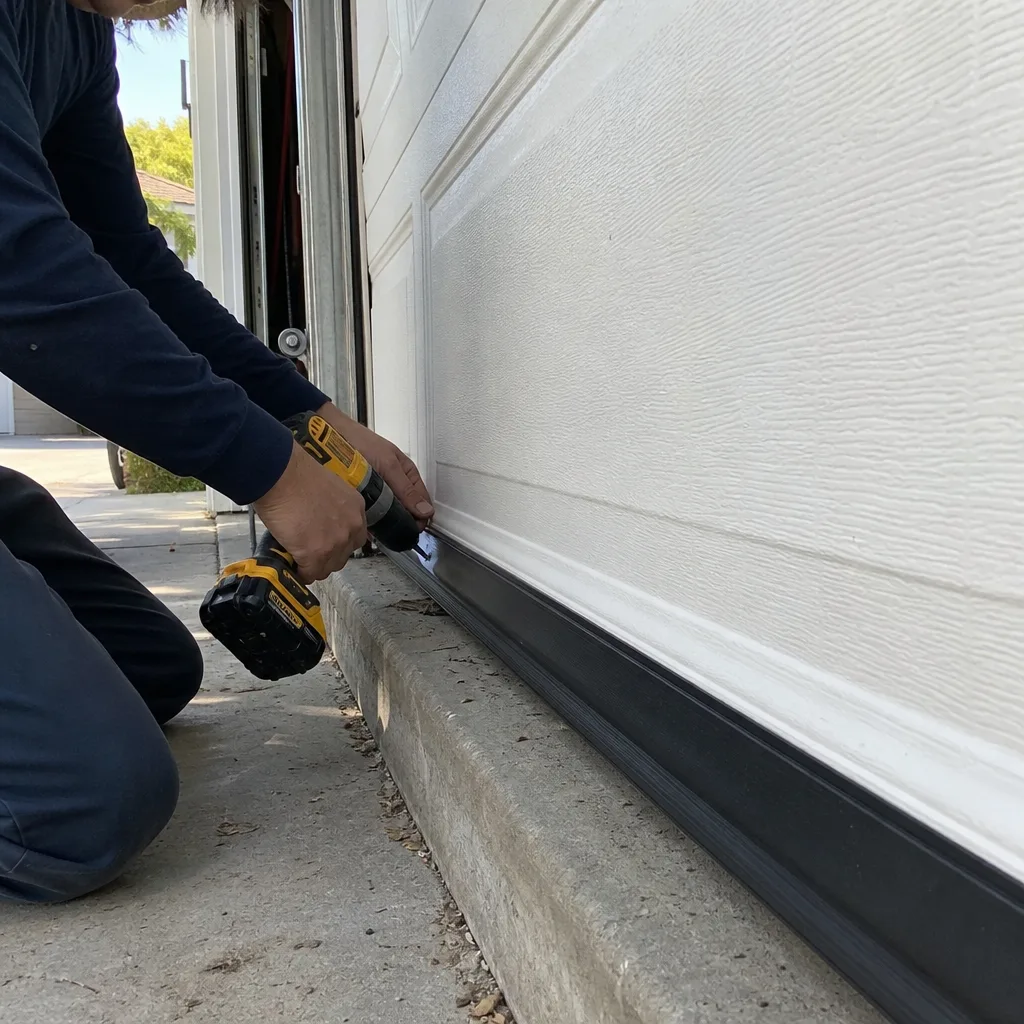
- Assuming “same size” means “no permit needed”: A door that fits the same opening can still exceed the original weight by enough to require header modification. We measure the existing header and calculate load before quoting.
- Buying openers online without verifying California compliance: Many retailers sell non-battery-backup inventory at lower prices. These fail Fremont inspection and must be replaced. We specify compliant LiftMaster and Chamberlain units with the documentation attached.
- Letting a handyman handle structural work: California requires a C-61/D-28 (garage door and gate) or B (general building) contractor license for structural garage door work. Unlicensed work voids homeowner’s insurance for related claims and creates liability exposure.
- Skipping the rough inspection for electrical work: Some homeowners or contractors finish drywall over new wiring before the rough inspection, thinking they’ll “explain it to the inspector.” The inspector will require opening the wall. The cost to repair drywall exceeds the cost of scheduling correctly.
- Disclosing “no unpermitted work” when a permit search would show otherwise: California’s disclosure forms require honesty about permit status. A “no” answer that contradicts county records exposes the seller to fraud claims and can void the sale.
- Ignoring the one-year occupancy rule for owner-builder permits: Pulling an owner-builder permit and selling within 12 months triggers additional scrutiny and can invalidate the permit. Plan your timeline or use a licensed contractor.
When to Call a Professional
Call a licensed garage door contractor when your project involves structural changes, new electrical work, or any uncertainty about permit status. The cost of professional guidance is typically 10-15% of the cost of correcting a permit problem discovered later. Garage Door Repair in Fremont covers maintenance and repair work that usually doesn’t trigger permits; Garage Door Installation in Fremont covers replacement projects where permit requirements are most common.
Servo Garage Doors Fremont offers free estimates in Fremont - call (669) 333-7846. Every estimate includes a written, flat price and written scope before any work starts, per Clause 1 of The Haven Standard. We photograph existing conditions during the estimate, identify permit requirements upfront, and handle all permit pulling and inspection scheduling for jobs we execute. The customer receives a documented photo record of findings and completed work, plus permit closure documentation for their files.
Frequently Asked Questions
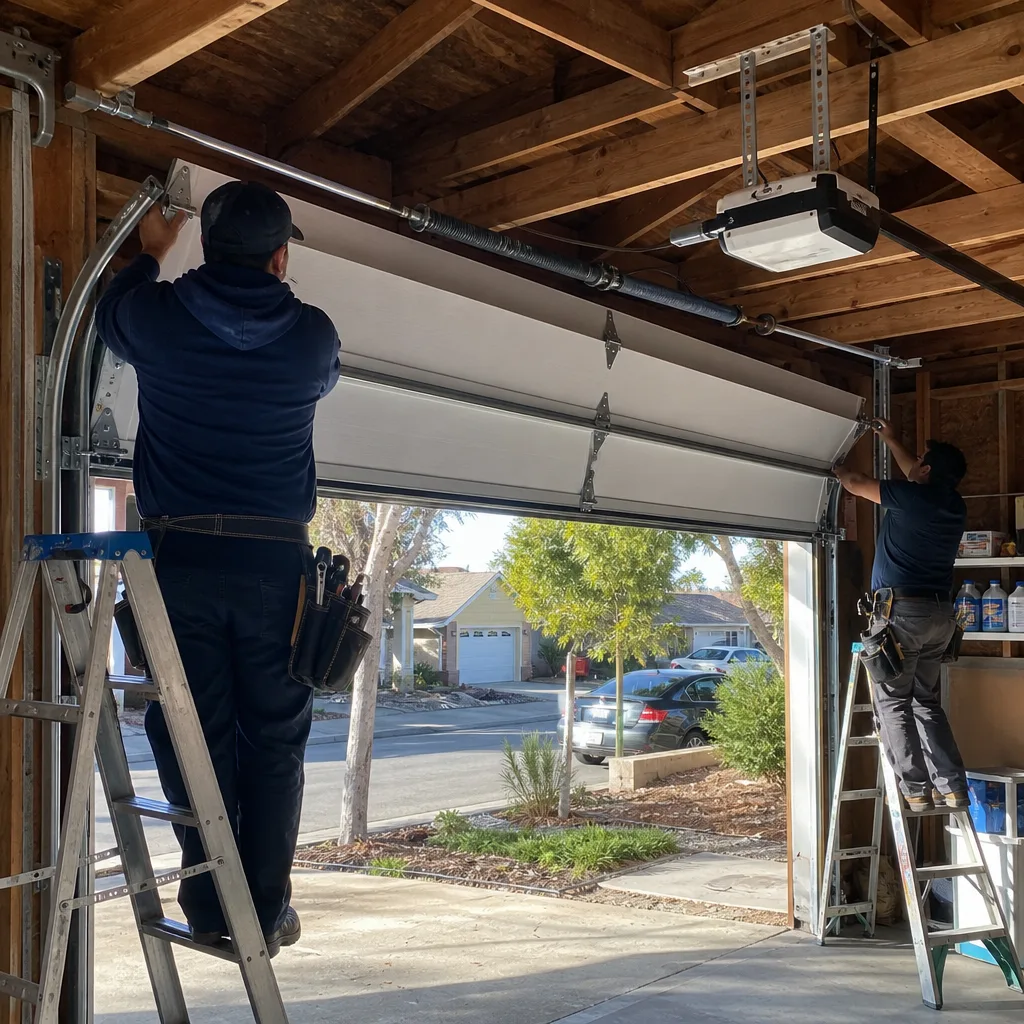
You need a permit if the replacement involves structural header changes, alterations to the door dimensions, or new electrical wiring for an opener. A true like-for-like replacement - same size, same weight, no structural or electrical changes - qualifies for exemption under California’s maintenance provisions. Call (669) 333-7846 and we’ll assess your specific situation during a free estimate.
A standard door replacement with header modification runs $280-$450 in permit fees through Alameda County. Opener installation with new electrical circuits runs $320-$520. Combined projects run $450-$750. Retroactive permits after unpermitted work cost $600-$1,200 including penalties. We include exact permit costs in our written price before work starts.
You can replace an existing opener using the same electrical outlet without a permit. If you need a new circuit, outlet relocation, or any wiring modification, California requires an electrical permit. We recommend against homeowner electrical work in garages due to GFCI requirements and the battery backup mandate - a licensed electrician or qualified garage door contractor ensures compliance.
The inspector issues a correction notice listing specific deficiencies. You have a window - typically 30 days in Alameda County - to make corrections and schedule re-inspection. Re-inspection fees apply. At Servo, we design installations to pass on first inspection using pre-installation documentation and inspector feedback from hundreds of prior jobs.
Yes, if it surfaces during disclosure review, permit history search, or buyer inspection. California requires disclosure of unpermitted work, and buyers’ lenders may require correction as a loan condition. The cost to correct retroactively typically runs 3-5 times the original permit cost. Documentation from permitted, inspected work protects your sale price and timeline.
Yes. Senate Bill 969, effective statewide since 2019, requires all newly sold or installed garage door openers to include battery backup. This exceeds federal UL 325 requirements. Fremont inspectors verify battery backup functionality on permitted installations. We specify compliant units from major brands and document the verification in our photo record.
The Bottom Line
Garage door permits in Fremont aren’t bureaucracy for its own sake - they’re a paper trail that protects your home’s safety, your insurance coverage, and your resale value. The critical distinction is between maintenance (no permit) and modification (permit required). Weight changes, structural work, and new electrical circuits trigger permits. Like-for-like replacements don’t, but the definition of “like-for-like” is narrower than most homeowners realize. California’s entrapment protection standards exceed federal minimums, particularly on battery backup and photo-eye height. Unpermitted work discovered during escrow costs multiples more to correct than pulling the permit upfront. Document everything, verify compliance before installation, and keep the paperwork with your home records. For more guides & resources on protecting your home’s value, explore our blog.
Servo Garage Doors Fremont home | Garage Door Opener Repair & Installation in Fremont
Written by Marcus Deller, Owner at Servo Garage Doors Fremont, serving Fremont since 2015.